MatchupsQuizHow we testAbout
Matchups  /  Claude vs Gemini
Updated Tested by Eloi2 min read

Claude vs Google Gemini: Which One Should You Use?

Updated Nov 17, 2026Tested by Eloi2 min read

Claude or Gemini? The 30-second answer

Pick Claude if

you write, code or work with long documents, and want careful answers that sound human.

Pick Gemini if

you live in Gmail, Docs and Android, or want free images and lots of storage.

Use both if you use AI every day: Claude for writing and code, Gemini for Google apps and images.

Which fits me?

Great writing or Google everything?

Claude AI vs Gemini: 8 rounds

Eight things people actually use them for. One winner per round, and why.

Claude vs Gemini, round by round: Claude 4, Gemini 3, 1 tie.
Claude4Round 1 tie3Gemini
Claude

Follows your tone and instructions closely, so drafts sound like a real person and need fewer edits. In our 401(k) test it used plain words and a real-money example. It keeps the same voice, even in long documents.

WritingClaude winsFor anyone who writes emails, essays or posts every dayGemini

Gets straight to the point with short steps and handy tables, which is great for quick explanations. For writing that needs a personal voice, like a cover letter or a heartfelt email, it can feel a little flat.

Claude

Writes more correct code and explains it well. Claude Code, included with Pro, can take a whole project, plan it and change many files on its own. The stronger pick for bigger projects and long coding sessions.

CodingClaude winsFor developers, and anyone who wants a quick tool builtGemini

Fast, and handles very large files well thanks to its big memory on Google AI Pro. For small scripts it does the job, but its code tends to need more fixing on bigger tasks, so check it first.

Claude

Searched the web in our test, showed its sources and was honest about what it couldn't confirm. It gave fewer ideas than Gemini, and said where to check the rest. On Pro, Research writes longer reports with links you can check.

ResearchClaude winsFor students and anyone checking current factsGemini

In our test, the free plan answered from memory and told us to double-check the dates. The ideas were good and plentiful, but nothing was confirmed. Deep Research, included even on the free plan, is stronger when you ask.

Claude

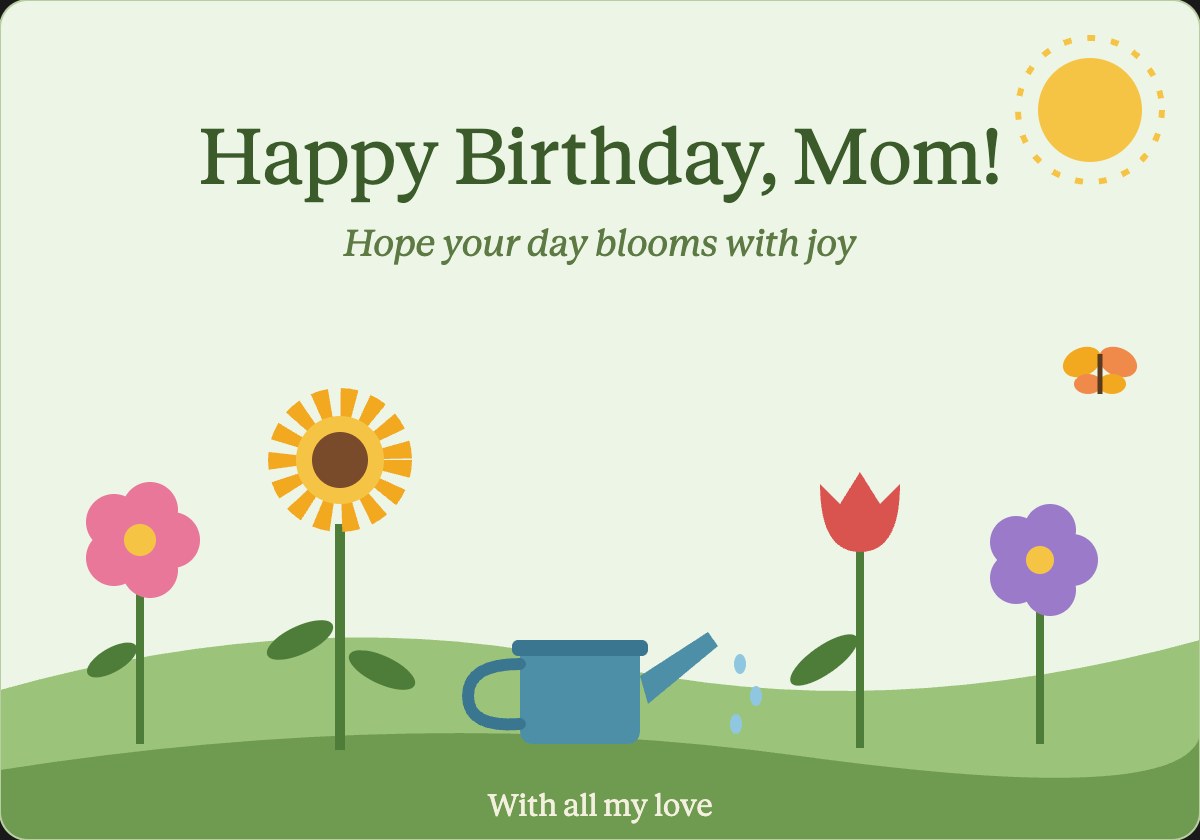
Designs with code: cards, posters, charts and simple graphics look clean and are easy to print. It can't make photos or realistic pictures. In our test, its birthday card was neat, but simple next to Gemini's.

ImagesGemini winsFor anyone who needs pictures for social media, school or workGemini

Makes detailed, good-looking images for free, in seconds, even in a temporary chat. In our test it painted a garden scene for a birthday card that felt personal. Paid plans, starting with AI Plus at $4.99, also make short videos.

Claude

Connects to Gmail and Google Calendar, even on the free plan, so it can read an email or check your week when you ask. It isn't built into Docs, Android or Chrome, so you open Claude to use it.

Google appsGemini winsFor people who live in Gmail, Docs and AndroidGemini

Built into Gmail, Docs, Drive, Android and Chrome, so it works where your email and files already are. On Google AI Pro, it drafts replies inside Gmail and sums up Docs without copying anything, plus 5 TB of storage.

Claude

Chat on Sonnet, a strong model, plus web search, voice and app connections, all with no ads. After a while you hit a limit and wait a few hours before you can continue, and there's a weekly cap too.

Free planTieFor anyone who won't payGemini

No ads, plus images, Deep Research, Gemini Live with your camera and 15 GB of storage. The catch: since October 2026, most free questions go to Flash-Lite, Google's lightest model, so answers can be less sharp.

Claude

Pro costs $20 a month, or $17 if you pay yearly, and brings Claude Code, Research and the Opus model. There's no cheaper paid plan. For heavy use, Max costs $100 and Ultra $200 a month.

ValueGemini winsFor anyone choosing one paid planGemini

AI Plus is only $4.99 a month, with twice the use and video. AI Pro ($19.99) adds the Pro model, Gemini inside Gmail and Docs and 5 TB of storage: a lot for about the price of Claude Pro.

Claude

No ads on any plan. Your chats can be used for training, but you can turn it off in Settings > Privacy; then chats are kept for 30 days. Incognito chats are never used for training.

PrivacyClaude winsFor anyone sharing personal or work detailsGemini

No ads either. "Keep Activity" is on by default: your chats help train Google's models and some are read by human reviewers. You can turn it off, but chats are still kept for 72 hours.

Claude or Gemini: what this means for you

Student

A university student

You write essays every week, read long PDFs for class and study on your phone between lectures. You'd rather not pay for anything yet.

With Claude: Gives careful feedback on your essay drafts, points out weak arguments and sums up a long reading in a few clear lines.

With Gemini: Explains topics in short, clear steps, makes images for your slides and works inside Google Docs and Drive.

Our pick: Claude · Free

Your week is mostly reading and writing, where Claude is strongest. If you're an eligible US college student, also claim Google AI Pro's free year (by December 31, 2026) for images and storage.

Small business

A small shop owner

You post on social media a few times a week, need pictures of new products and answer customer emails in Gmail.

With Claude: Writes warm, natural replies and product descriptions that sound like you, but it can't make photos for your posts.

With Gemini: Makes images for free and short videos from $4.99 a month, and on AI Pro it drafts replies right inside Gmail.

Our pick: Gemini · AI Plus

Your posts need pictures and short videos, and AI Plus gives you both for $4.99 a month. Claude Pro costs four times as much and can't make images.

Office

An office worker

Your day is long reports, careful emails and meeting notes, and every week you send a summary to your manager.

With Claude: Turns long reports into clear summaries, drafts careful emails and keeps your tone the same from start to finish.

With Gemini: Drafts short replies and sums up Docs quickly, and on AI Pro it works inside Gmail and Docs.

Our pick: Claude · Pro

Your work is long documents and careful writing every day, which is where Claude does best. If your company runs on Gmail and Docs, Gemini AI Pro is the easier fit.

Same prompt, two answers: we tested Claude and Gemini

Claude on Sonnet 5.5, the free plan’s model, in an incognito chat. Gemini on its free plan (Auto), in a temporary chat. Tests 1 and 2 on Nov 16, 2026; the birthday card on Nov 17, 2026.

Test 1 of 3: Free things to do in Chicago · sent to both

What are the best free things to do in Chicago this weekend?

Claude’s answer

[Searched the web. Sources shown as tags: airtalkwireless, urbnexplorer, chicagoonthecheap.]

I couldn’t find a published event guide for this exact weekend (Nov 20-22), so some of this is based on annual patterns. Check dates before you go.

Most likely free:

  • ZooLights at Lincoln Park Zoo. It runs from November 20 through January 3, 2027, with millions of lights, glowing animal sculptures and music displays. It opens this Friday, though entry may need a reserved timed ticket, so check the zoo’s site.
  • Magnificent Mile Lights Festival. In past years it has been held the Saturday before Thanksgiving, which would be Nov 21 this year. Past editions included a holiday parade, the lighting of Michigan Avenue’s trees, and fireworks. I haven’t confirmed the 2026 date, so verify it.
  • ART on THE MART. The free evening projection show runs 7-8 pm along the Chicago Riverwalk. It was listed nightly for early November, so check that it’s still running.

Other options:

  • Cultural Center and neighborhood walks. The Chicago Cultural Center is free to visit, and free tours there were listed in the November schedule. It’s a good indoor choice if the weather is bad.
  • Free events roundup. Chicago on the Cheap and Time Out both keep updated lists of free events by date, which will be the most accurate source for this weekend.

If you tell me what you’re after (kids, nightlife, art, outdoors), I can narrow it down.

Our take: Searched the web and showed its sources, but gave fewer ideas.

Gemini’s answer

With the current date being mid-November (around the weekend of November 20–22, 2026), Chicago is transitioning right into its festive winter season. Note that because I don’t have live event-calendar access at the moment, you should double-check exact opening times for seasonal holiday events, which typically kick off this specific weekend.

Here are the best free things to do in Chicago right now:

Seasonal & Festive (Mid-November Kickoff)

  • Christkindlmarket Chicago (Daley Plaza): This iconic, authentic German-style outdoor holiday market traditionally opens the Friday before Thanksgiving (likely November 20). Admission is completely free—you can wander through the wooden stalls, enjoy the live holiday entertainment, and soak in the festive lights without spending a dime.
  • Millennium Park Christmas Tree & Ice Skating: The city’s official Christmas tree lighting typically happens the Friday before Thanksgiving. Even if you miss the ceremony, walking through Millennium Park to see the towering illuminated tree and the glowing Cloud Gate (“The Bean”) is a classic free winter experience. If you own ice skates, admission to the McCormick Tribune Ice Rink is free (reservations are usually required online in advance; skate rentals cost extra).
  • The Magnificent Mile Lights Festival: Historically held on the Saturday before Thanksgiving (November 21), this parade features illuminated floats, marching bands, and Mickey and Minnie Mouse lighting over a million lights along Michigan Avenue, usually capped off with fireworks over the Chicago River.

Year-Round Free Icons

  • Lincoln Park Zoo & Conservatory: One of the last remaining free zoos in the country, open 365 days a year. In November, the animals are active in the crisp weather, and you can warm up right next door inside the lush, tropical rooms of the Lincoln Park Conservatory (free, though timed-entry reservations are often recommended).
  • Chicago Cultural Center: Located right across from Millennium Park, this stunning landmark is completely free to enter. Head up to Preston Bradley Hall to see the world’s largest Tiffany stained-glass dome, and check out the rotating contemporary art exhibitions on the upper floors.
  • Garfield Park Conservatory: Often called “landscape art under glass,” this massive indoor botanical conservatory on the West Side is a warm, tropical escape from November chill. Admission is free (advance reservations are required on their website).
  • National Museum of Mexican Art: Located in the vibrant Pilsen neighborhood, this is one of the premier Latino cultural institutions in the U.S., offering a massive permanent collection and rotating exhibits with zero admission fee every day it’s open.
  • The Chicago Riverwalk & Lakefront Trail: Bundle up for a brisk walk along the Riverwalk to take in Chicago’s world-famous architecture from water level, or stroll the Lakefront Trail near Museum Campus for the best unobstructed skyline views in the city.

Want to tailor this to your weekend plans? [Build a 2-day free Chicago weekend itinerary] [Find the best indoor-only free spots for cold weather] [Get tips on navigating Christkindlmarket without crowds]

Our take: More ideas, but answered from memory and said to check the dates.

This test goes to ClaudeLook at what each one checked.

Claude searched the web, showed where each tip came from and said clearly what it couldn't confirm. Gemini gave more ideas, but from memory, so every date was a guess you'd need to check.

Test 2 of 3: How a 401(k) works · sent to both

Explain how a 401(k) works in simple words.

Claude’s answer

A 401(k) is a retirement savings account offered through your employer in the United States. Here’s how it works.

The basic idea

You choose a percentage of each paycheck to put into the account, and your employer takes it out automatically before you ever see it. That money is then invested, and it grows over the years until you retire.

The tax advantage

With a traditional 401(k), the money you contribute is taken out of your paycheck before income tax is calculated. That lowers your taxable income today. You pay no tax on the investment growth while it sits in the account. You only pay income tax when you withdraw the money in retirement.

Many employers also offer a Roth 401(k). It works the other way around: you pay tax on the money now, but withdrawals in retirement are tax-free.

The employer match

Many employers add money to your account when you contribute. A common example is “50% match up to 6% of your salary”: if you put in 6%, your employer adds another 3%. This is essentially free money, so most people try to contribute at least enough to get the full match.

Where the money goes

You pick from a menu of investment options, usually mutual funds. Common choices are stock funds, bond funds, and “target-date funds,” which automatically shift from riskier to safer investments as you get closer to retirement age.

Rules to know

  • Contribution limit: The government caps how much you can put in each year. For 2026 it is $24,500, with extra “catch-up” amounts allowed if you’re 50 or older.
  • Early withdrawals: If you take money out before age 59½, you generally owe income tax plus a 10% penalty, with some exceptions.
  • Required withdrawals: In your 70s you must start taking money out each year (called required minimum distributions), and the exact starting age depends on when you were born.
  • Vesting: Your own contributions are always yours. Employer contributions may “vest” over a few years, meaning you have to stay at the job a certain time before they fully belong to you.
  • Changing jobs: The account is yours to keep. You can leave it, or roll it over into a new employer’s plan or an IRA without tax if done properly.

Simple example

If you earn $60,000 and contribute 6%, that’s $3,600 a year. If your employer matches half, they add $1,800. After years of growth, that $5,400 annual total can become a substantial sum.

I’m not a financial advisor, so for decisions about how much to contribute or what to invest in, your plan’s documents or a licensed advisor can give advice for your situation.

Our take: Plain words, a real-money example and every key rule.

Gemini’s answer

A 401(k) is a retirement savings and investing account offered by your employer that gives you major tax breaks and often includes “free money” from your company.

How It Works in 4 Steps

  1. Automatic Contributions: You choose a percentage of your paycheck (for example, 6%) to go straight into your 401(k) before you ever see the money.
  2. Employer Match (Free Money): Many companies match your contributions up to a certain limit. For example, if your employer matches 100% up to 4% of your salary and you put in 4%, they add another 4% for free—an instant 100% return.
  3. Investing for Growth: Instead of sitting as plain cash, your money is invested (usually in mutual funds or target-date funds made up of stocks and bonds). Over decades, your earnings generate their own earnings—a snowball effect called compound growth.
  4. Waiting Until Retirement: Because the government gives you tax breaks to save for old age, you generally have to leave the money untouched until age 59½. Taking it out early usually triggers income taxes plus a 10% early withdrawal penalty.

The Two Types of 401(k)

Your employer may let you choose between a Traditional 401(k), a Roth 401(k), or a mix of both:

FeatureTraditional 401(k)Roth 401(k)
When you pay taxesLater (when you withdraw in retirement)Now (money goes in after-tax)
Tax benefit todayLowers your taxable income this yearNone today
Withdrawals in retirementTaxed as regular income100% tax-free (including all investment growth)
Best if you think...Your tax rate will be lower in retirementYour tax rate will be higher in retirement

Key Rules to Know

  • Annual Limits: The IRS caps how much you can put in each year (for 2026, the standard employee contribution limit is $24,500, with extra catch-up contributions allowed if you are 50 or older).
  • Vesting: The money you contribute is always 100% yours. However, some employers require you to work at the company for a few years (a “vesting schedule”) before you get to keep 100% of their matching contributions if you leave.
  • Portability: If you change jobs, you don’t lose your 401(k). You can leave it where it is, roll it into your new employer’s 401(k), or move it into an Individual Retirement Account (IRA).

Want to explore how a 401(k) fits into your finances? [Model my 401(k) growth over time] [Traditional vs. Roth 401(k) comparison] [401(k) vs. IRA: which comes first?]

Our take: Short steps and a handy Traditional vs Roth table.

This test goes to ClaudeLook at the example.

Claude explains each part in plain words and adds a real-money example: a $60,000 salary, 6% in and a $1,800 match. Gemini is shorter and its table is handy, but it leaves the numbers to you.

Test 3 of 3: A birthday card · sent to both

Make a birthday card for my mom, who loves gardening.

Claude’s answer
Claude’s birthday card: a light green card reading “Happy Birthday, Mom!” with a sun, a butterfly, flowers and a watering can on green hills

I’ll design a gardening-themed birthday card for her.

Here’s the card; the drawing follows.

[Card drawn in the chat: a light green card reading “Happy Birthday, Mom!”, “Hope your day blooms with joy” and “With all my love”, with a sun, a butterfly, a sunflower, a tulip, two more flowers and a watering can on green hills.]

Here’s your card for your mom. It has a sunflower, a tulip, daisies, a watering can and a butterfly, under the message “Happy Birthday, Mom!”

I can’t save or send files in this conversation, so the card only exists here. You can screenshot it to print or send it.

I can change the message, add her name, swap in her favorite flowers, or write a longer note for the inside.

Our take: A clean, cheerful flower card, drawn with code.

Gemini’s answer
Gemini’s birthday card: a watercolor garden with a rose arch, a shed, a smiling mom planting flowers and her dog, reading “Happy Birthday, Mom!”

[Image: a watercolor card of a garden with a rose arch, a shed and a greenhouse, a mom planting flowers and her golden retriever, reading “Happy Birthday, Mom! To the woman who makes everything bloom with love. Wishing you a day as beautiful and special as you are!”. Made in seconds, in a temporary chat.]

[No text besides the card.]

Our take: A detailed watercolor garden scene, made in seconds.

This test goes to GeminiLook at the artwork.

Gemini painted a detailed watercolor garden, with a mom and her dog, in seconds, though two small signs came out with garbled letters. Claude's card is bright and cheerful, but it's a simple drawing made with code, and you'd need a screenshot to keep it.

Gemini vs Claude: common questions

Is Claude better than Gemini?

For writing, coding and careful answers, yes. Gemini is better inside Google apps, for images and for storage.

Is Claude or Gemini better for coding?

Claude. It writes more correct code, and Claude Code (from the Pro plan) can build and fix whole projects. Gemini is fast and handles very big files, but its code needs more fixing.

Claude Pro vs Gemini Pro: which is worth it?

Both cost about $20 a month. Claude Pro adds Opus 5.5, Claude Code and Research. Gemini Pro, sold as Google AI Pro, adds Gemini's Pro model, 5 TB of storage and Gemini inside Gmail and Docs.

Do Claude and Gemini use my chats for training?

Both do by default on personal accounts, and both let you turn it off. Claude's incognito chats are never used. With Gemini, some chats are read by human reviewers, and chats are kept for 72 hours even with "Keep Activity" off.

Claude or Gemini: which plan should you pick?

ClaudeGemini
Just trying itBoth are free with no ads. Claude's free model is stronger; Gemini's free plan has more extras.ClaudeFree $0GeminiFree $0
Tight budgetOnly Gemini has a cheap plan, with images, video and twice the use.Claude—GeminiAI Plus $4.99/mo
Use it every dayAbout $20 each. Claude adds Claude Code; Gemini adds 5 TB of storage and works inside Gmail.ClaudePro $20/mo ($17 yearly)GeminiAI Pro $19.99/mo
Heavy work or codingFrom about $100 a month. Claude Max gives you 5x Pro's use.ClaudeMax $100/moGeminiAI Ultra From $99.99/mo

Claude vs Gemini pricing: every plan compared

Both are free to start. You only pay if you hit the limits.

Claude

Free$0Sonnet, web search, voice and app connections, with limits every 5 hours. No ads.Free, no ads
Pro$20/mo ($17 yearly)Opus 5.5, Claude Code and Research, with more use than Free.For most people
Max$100/mo5x Pro use and Fable 5.2, Anthropic’s most powerful model.For heavy users
Ultra$200/mo10x Pro use each week, with no 5-hour limit.For power users

Gemini

Free$0Images, Deep Research and live voice, mostly on the lighter Flash-Lite model. No ads.Free, no ads
AI Plus$4.99/moTwice the use of Free, video creation and 400 GB of storage.Cheapest plan
AI Pro$19.99/moThe Pro model, 1M-token memory, 5 TB of storage and Gemini in Gmail and Docs.For most people
AI UltraFrom $99.99/moUp to 20x more use, the top models and the most video credits.For heavy users

What changed Nov 17, 2026: Image tests redone with the original images. Nov 16, 2026: New layout: longer rounds, real-life cases and full answers. Nov 16, 2026: First version. Prices checked on claude.com/pricing and gemini.google/subscriptions. Three side-by-side tests added.

More matchups Claude vs ChatGPT · Gemini vs ChatGPT · Claude vs GitHub Copilot

Which one fits me? 30-second quiz